

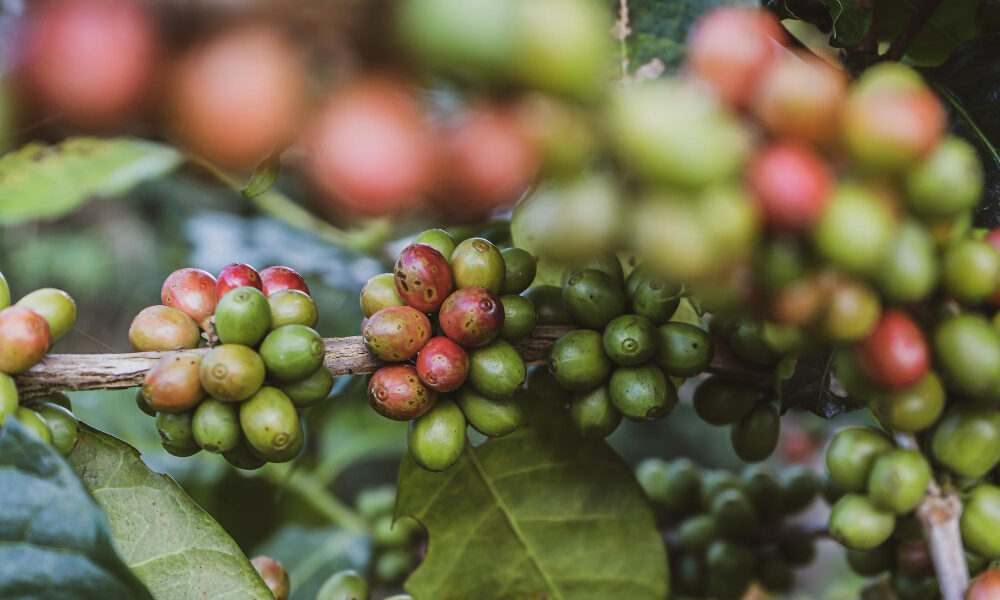
The Pharmacodynamics of Coffea arabica
An Integrative Analysis of Botanical Terroir, Processing Thermodynamics, and Physiological Modulation
1. Introduction: The Biochemical Complexity of the Coffee Matrix
In the contemporary discourse of nutritional science, coffee has transcended its historical categorization as a mere psychoactive stimulant. It is now understood as a complex functional food matrix comprising bioactive compounds, including alkaloids, phenolic acids, diterpenes, and melanoidins. The physiological impact of this suspension is not monolithic; rather, it is a variable outcome determined by a chain of causality that begins with the genetic cultivar and soil chemistry, passes through the thermodynamics of roasting, and concludes with the kinetics of extraction.
This report provides an exhaustive, expert-level analysis of the nutritional architecture of coffee. It synthesizes data from agronomy, food chemistry, and neurobiology to elucidate how specific agricultural origins—particularly the varieties of Ethiopia’s Jimma Zone—interact with processing methods to dictate the bioavailability of chlorogenic acids and antioxidants. Furthermore, it examines the metabolic ripple effects of consumption, from the modulation of glucose homeostasis and lipid oxidation to the neuroprotective antagonism of adenosine receptors. Finally, it evaluates the synergistic potential of functional additives, providing a rigorous framework for optimizing the beverage for human health.
2. Phytochemical Architecture and Bioavailability
To understand the health implications of coffee, one must first dissect its chemical constituents, which serve as the primary agents of physiological change. The concentration and bioavailability of these compounds are not static; they fluctuate based on the maturation of the bean, the intensity of thermal processing, and the solvency of the brewing water.
2.1 Chlorogenic Acids: The Metabolic Regulators
Chlorogenic acids (CGAs), primarily esters of caffeic and quinic acid, represent the most abundant antioxidant class in the green coffee bean. They are increasingly recognized as plant gold due to their multifaceted biological activities, which include regulation of glucose metabolism, hepatoprotection, and anti-inflammatory effects.
Mechanisms of Glucose Control:
The metabolic efficacy of CGAs lies in their ability to inhibit hepatic glucose output and improve insulin sensitivity. Research indicates that CGA significantly blocks the development of diet-induced obesity and improves glucose tolerance. Specifically, CGA has been shown to inhibit fatty acid synthase and activate(https://www.mdpi.com/1420-3049/22/3/358) (PPAR$\alpha$), which enhances fatty acid $\beta$-oxidation while suppressing lipogenesis. By modulating these pathways, CGA consumption can attenuate postprandial hyperglycemia and reduce hepatic lipid accumulation.
Neuroprotective Transport:
Unlike many polyphenols that degrade rapidly in the gut, metabolites of chlorogenic acid have demonstrated the capacity to cross the blood-brain barrier. Once within the central nervous system, they exert neuroprotective effects. Clinical trials involving the administration of CGA-enriched coffee to older adults have documented improvements in cognitive domains, including reduced mental fatigue and diminished frequency of headaches. However, meta-analyses suggest that while acute intake may not immediately spike cognitive scores, sustained exposure or specific dosages may be necessary to manifest significant neuroprotective benefits.
2.2 Caffeine: The Ergogenic Alkaloid
Caffeine (1,3,7-trimethylxanthine) remains the most pharmacologically active compound in coffee. Its pharmacokinetics are rapid, achieving 99% absorption within 45 minutes of ingestion, with peak plasma concentrations occurring between 15 and 120 minutes.
Thermogenesis and Lipid Oxidation:
Caffeine functions as a metabolic catalyst by stimulating the sympathetic nervous system. This hormonal surge signals adipocytes to break down triglycerides into free fatty acids (FFAs), releasing them into the bloodstream for use as fuel. Empirical data indicates that caffeine can increase the metabolic rate by 3–11% and enhance fat burning by up to 29% in lean individuals, although this effect is diminished in obese populations. The impact on fat oxidation is notably higher in sedentary or untrained individuals compared to trained athletes.
Exercise Synergy:
The timing of intake is critical. Pre-exercise caffeine ingestion significantly increases the rate of fat oxidation during aerobic activity, particularly in the fasted state. However, even in the fed state, caffeine can partially override insulin’s inhibition of lipolysis, maintaining a higher rate of fat utilization during exercise. This suggests that coffee acts not merely as a stimulant but as a metabolic partitioning agent, shifting substrate utilization toward lipids.
2.3 Melanoidins: The Roasting Artifacts
The roasting process induces the Maillard reaction, a non-enzymatic browning that degrades simple sugars and amino acids to form complex, high-molecular-weight polymers known as melanoidins. While often overlooked, these compounds are critical to the antioxidant profile of the final beverage.
Antioxidant Stabilization:
There is a prevalent misconception that dark roasting destroys the antioxidant value of coffee by degrading polyphenols. While it is true that CGA levels drop precipitously with roast activity, the formation of melanoidins compensates for this loss. Melanoidins act as “antioxidant scaffolds,” trapping low-molecular-weight phenolic compounds within their polymeric structure. This incorporation stabilizes these antioxidants, allowing the beverage to retain significant radical-scavenging activity even after the degradation of the primary CGAs.
Gastric Cytoprotection:
Dark roasts are often perceived as “stronger” or “harsher,” but they are chemically less irritating to the gastric mucosa than light roasts. Dark roasting degrades organic acids and generates compounds that may inhibit gastric acid secretion, making them a preferable option for individuals prone to heartburn or acid reflux.
3. Agricultural Provenance: The Impact of Terroir and Genetics
The nutritional potential of the coffee bean is established long before harvest. The genetic variety of the plant and the ecological system in which it is cultivated—specifically the soil chemistry and shade canopy—dictate the precursor compounds available for development.
3.1 The Ethiopian Advantage: Genetic Diversity and Terroir
Ethiopia, the center of origin for Coffea arabica, presents a unique case study in nutritional agronomy. Unlike other regions dominated by a few commercial cultivars, Ethiopia hosts thousands of heirloom varieties with distinct genetic profiles.
The Jimma and Limu Profile:
The Jimma Zone in southwestern Ethiopia is a critical region for understanding coffee biodiversity. Research into the soil chemistry of this region reveals soils with specific pH and cation exchange capacities that facilitate nutrient uptake. This terroir supports varieties that produce unique sensory profiles characterized by spicy, fruity, and winey notes. The Limu districts within this zone are renowned for coffees with “natural sweetness,” floral aromas, and balanced acidity, often attributed to the indigenous landraces cultivated there.
The 74110 Variety:
Specific attention must be paid to the “74110” variety, a selection developed by the Jimma Agricultural Research Center (JARC). Originally selected for resistance to Coffee Berry Disease, this variety—derived from the Metu province—has been characterized by a short, compact physical structure and small fruit. Crucially, organoleptic analysis reveals that the 74110 variety possesses a unique biochemical profile: it exhibits high acidity and floral notes but notably low tannin content. The reduction in tannins contributes to a smoother mouthfeel and reduced astringency.
3.2 Shade-Grown Ecology vs. Monoculture
The “semi-forest” production systems prevalent in Ethiopia stand in stark contrast to the full-sun monocultures common in other producing nations. This distinction has profound implications for bean density and chemistry.
Photosynthetic Regulation and Maturation:
Shade trees regulate the microclimate of the coffee farm, reducing ambient temperature and filtering solar radiation. This physiological stress reduction slows the ripening process of the coffee cherry. Extended maturation allows for a more gradual and complex accumulation of sugars and secondary metabolites within the bean. Shade-grown beans are physically denser and possess higher concentrations of natural compounds compared to their sun-grown counterparts, which ripen rapidly but often lack internal structural density.
Biodiversity and Chemical Purity:
The Ethiopian semi-forest system is frequently described as “organic by default.” The integration of coffee plants into the existing forest understory eliminates the need for synthetic fertilizers and pesticides, as the ecosystem provides natural pest control. Studies indicate that switching even a small portion of cropland to organic production significantly reduces exposure to toxic agrochemicals. Furthermore, these systems support high levels of biodiversity, including migratory bird populations, which serve as bio-indicators of environmental health.
4. Processing and Roasting Thermodynamics
Once harvested, the coffee cherry undergoes processing and roasting, two stages that fundamentally alter its chemical composition. The choices made here determine the balance between preserving native antioxidants and generating new bioactive compounds.
4.1 Processing Methods: Wet vs. Dry
The method of removing the seed from the fruit—Washed (Wet) or Natural (Dry)—impacts the final cup profile.
-
Washed Processing: In the Jimma and Limu regions, washed coffees are noted for their “cleanliness” and higher acidity. This process results in a cup with distinct citrus and floral notes.
-
Natural Processing: Dry-processed coffees, where the fruit dries on the seed, absorb sugars from the pulp. This results in a “heavier” body and winey or fruity flavors. Precision-processed naturals from these regions are now prized for their sweetness and complex flavor profiles.
4.2 Roasting Kinetics: The Trade-off Curve
Roasting is a pyrolytic process that involves a complex trade-off. As the bean temperature rises, native compounds degrade while new compounds form.
Table 1: The Nutritional Trade-off of Roast Levels
| Compound/Attribute | Light Roast | Medium Roast | Dark Roast | Nutritional Implication |
| Chlorogenic Acid | High (Retention) | Moderate | Low (Degradation) | Light roast is superior for glucose regulation and anti-inflammatory effects. |
| Melanoidins | Low | Moderate | High (Formation) | Dark roast offers antioxidant stability and potential gastric protection. |
| Caffeine (by weight) | Stable | Stable | Stable | Roasting reduces mass, so caffeine percentage increases slightly by weight, but total content is chemically stable. |
| Acrylamide | Higher | Moderate | Lower | Acrylamide forms early and degrades in darker roasts; dark roast is safer regarding this contaminant. |
| Antioxidant Activity | Polyphenol-driven | Mixed | Melanoidin-driven | Total antioxidant capacity is maintained but shifts from phenolics to polymeric structures. |
| Gastric Irritation | Higher | Moderate | Lower | Dark roasts are less likely to cause gastric acid secretion. |
Insight: The data suggests a “U-shaped” utility curve. Light roasts optimize the intake of specific polyphenols like CGA, making them ideal for metabolic health. However, dark roasts are not devoid of value; their high melanoidin content makes them potentially better for gastrointestinal health and provides a different class of antioxidants. The choice of roast should be tailored to the specific physiological goal of the consumer.
5. Extraction Dynamics: The Chemistry of the Brew
The final variable in the coffee equation is extraction. The solvent temperature, pressure, and time determine which compounds migrate from the grounds into the liquid.
5.1 The Cold Brew Paradox: pH vs. Titratable Acidity
Cold brew coffee has surged in popularity, often marketed as a “low acid” alternative. The chemistry behind this claim is nuanced.
Acidity Metrics:
Research conducted at(https://www.jefferson.edu/news/2019/04/hot-brew-coffee-has-higher-antioxidant-levels-than-cold-brew.html) distinguishes between pH (the concentration of hydrogen ions) and Total Titratable Acidity (TTA). The study found that the pH of hot and cold brew coffees is remarkably similar, ranging from 4.85 to 5.13. However, hot brew coffee contains significantly higher levels of titratable acids. This discrepancy explains why cold brew tastes smoother: while the pH is similar, the total acid load is lower because cold water is less efficient at extracting certain organic acids.
Antioxidant Yield:
A critical finding is that hot brewing extracts more antioxidants than cold brewing. The kinetic energy of hot water is necessary to solubilize certain bioactive compounds, particularly in dark roasts. In light roasts, the difference is negligible, but as the roast gets darker, the gap widens; hot water is required to extract the antioxidant melanoidins formed during roasting. Therefore, a cold-brewed dark roast may represent the lowest nutritional value configuration.
5.2 Espresso vs. Filter: The Concentration Myth
There is a persistent belief that espresso delivers a higher caffeine “jolt” than filter coffee. This is a confusion of concentration versus load.
Volume vs. Dosage:
Espresso is highly concentrated, containing approximately 30–50 mg of caffeine per 30ml shot. Filter coffee is dilute, but because the standard serving size is significantly larger (240ml or 8oz), a single cup delivers 65–120 mg of caffeine—two to three times the total caffeine load of a single espresso.
-
Lipid Content: Unfiltered methods (Espresso, French Press, Turkish) retain diterpenes (cafestol and kahweol), which can elevate cholesterol. Paper filters used in drip coffee effectively trap these lipids. Thus, for individuals managing dyslipidemia, filter coffee is the chemically superior choice.
6. Neurobiology: Adenosine, Cognition, and Neurodegeneration
The interaction between coffee and the central nervous system is perhaps its most celebrated feature. The mechanism extends beyond simple stimulation to profound neuroprotective effects.
6.1 Adenosine Receptor Antagonism
Caffeine acts as a non-selective antagonist of adenosine receptors, primarily the A1 and A2A subtypes. Adenosine is a neuromodulator that accumulates in the brain during wakefulness. By blocking these receptors, caffeine prevents adenosine from inhibiting cholinergic and dopaminergic transmission.
Synaptic Plasticity and Stress:
Research indicates that the benefits of this antagonism extend to structural brain health. In animal models of chronic unpredictable stress (CUS), caffeine consumption prevented synaptic dysfunction in the hippocampus. This effect was mimicked by the selective blockade of A2A receptors, suggesting that coffee may help preserve synaptic plasticity and prevent the maladaptive brain changes associated with chronic stress and depression.
6.2 Neurodegenerative Disease Epidemiology
Long-term observational studies consistently suggest an inverse relationship between coffee consumption and the risk of neurodegenerative diseases.
-
Parkinson’s Disease (PD): A strong, exposure-dependent inverse association exists between caffeine intake and(https://www.neurology.org/doi/10.1212/WNL.0000000000209201). The mechanism likely involves A2A receptor blockade, which protects dopaminergic neurons from toxicity.
-
Alzheimer’s Disease (AD) and Dementia: Meta-analyses indicate that moderate coffee consumption is associated with a reduced risk of(https://pubmed.ncbi.nlm.nih.gov/20182026/). This may be attributed to the synergistic effect of caffeine (enhancing alertness) and polyphenols (reducing neuro-inflammation and oxidative stress).
7. Functional Synergies: Optimizing the Additive Matrix
Coffee acts as an effective carrier for other bioactive compounds, but the bioavailability of these additives often depends on specific chemical synergies.
7.1 Turmeric (Curcumin): The Lipid-Piperine Requirement
The trend of “Golden Lattes” (turmeric coffee) often ignores the poor bioavailability of curcumin.
-
Bioavailability Lock and Key: To derive anti-inflammatory benefits, curcumin requires two co-factors: Piperine (found in black pepper) and Lipids. Piperine inhibits hepatic glucuronidation, enhancing curcumin absorption by up to 2,000%. As curcumin is fat-soluble, it also requires a fat source (dairy, plant milk, or MCT oil) for intestinal absorption.
7.2 Cinnamon: The Toxicity of Cassia
Cinnamon is a common glycemic aid, but the plant variety is critical for safety.
-
Cassia vs. Ceylon: Most commercial cinnamon is Cassia, which contains high levels of coumarin (approx. 1%), a compound that can be hepatotoxic in high doses. Daily consumption of Cassia in coffee can easily exceed the Tolerable Daily Intake (TDI) for coumarin. Ceylon cinnamon (“True” cinnamon) contains trace amounts (0.004%) and is safe for daily use. Consumers must verify the variety to avoid liver damage while seeking blood sugar support.
7.3 Cardamom: The Digestive Buffer
Cardamom, often dubbed the “King of Chai,” offers specific gastrointestinal benefits when paired with coffee.
-
Mechanism: Cardamom acts as a digestive stimulant and has been shown to reduce gastric ulceration in animal models. Traditional practices suggest that cardamom helps “neutralize” the stimulating effects of caffeine on the nervous system, potentially reducing the jitteriness associated with high caffeine intake while protecting the stomach lining from acidity. It is also a rich source of cineole, a potent antiseptic.
7.4 Collagen: Thermal Stability
There is a myth that adding collagen protein to hot coffee denatures it and renders it ineffective.
-
Stability Data: Hydrolyzed collagen peptides are heat-stable up to 300°C (572°F). Since coffee is brewed at ~96°C and consumed at much lower temperatures, there is no risk of thermal degradation. The peptides remain intact and bioavailable for absorption, making coffee a convenient delivery vehicle for amino acids like glycine and proline.
8. Debunking Clinical Myths
Several persistent myths regarding coffee’s negative health impacts are contradicted by rigorous physiological data.
8.1 The Hydration Myth
The belief that coffee causes dehydration persists despite evidence to the contrary.
-
Fluid Balance: While caffeine is a mild diuretic, the volume of water consumed in a cup of coffee offsets this loss. Studies using deuterium oxide tracers show no significant difference in total body water between habitual coffee drinkers and water drinkers. Tolerance to the diuretic effect develops quickly in regular consumers.
8.2 The “Acid” Myth and Stomach Health
While coffee stimulates gastrin secretion, it is not inherently the cause of ulcers.
-
Reflux vs. Ulcers: Coffee can relax the lower esophageal sphincter, potentially exacerbating acid reflux (GERD) in susceptible individuals, but it does not cause gastric ulcers. Dark roasts may actually inhibit acid secretion more effectively than light roasts due to changes in chemical composition during roasting.
9. Conclusion: A Strategic Framework for Consumption
The scientific literature unequivocally positions coffee as a potent phytochemical intervention rather than a mere recreational beverage. Its complex matrix of alkaloids, phenolics, and melanoidins offers broad-spectrum protection against metabolic syndrome, neurodegeneration, and oxidative stress.
To optimize these benefits, the consumer should adopt a strategic approach:
-
For Metabolic Health: Prioritize Light Roast Filter Coffee (specifically Ethiopian high-altitude varieties like 74110) to maximize Chlorogenic Acid intake.
-
For Gastric Sensitivity: Utilize Dark Roasts or Cold Brew to minimize acid load.
-
For Functional Additives: Always pair turmeric with black pepper and fat, and strictly use Ceylon cinnamon to avoid toxicity.
-
For Cardiovascular Safety: Utilize paper filtration to remove cholesterol-raising diterpenes.
By aligning preparation methods with specific physiological goals, coffee consumption can be elevated from a daily habit to a precise tool for health optimization.
